



Horse manure sea urchin fossil
The horse dung sea urchin shell is sturdy, hemispherical, with a diameter of 30-40 millimeters and a maximum of 60 millimeters. The mouth surface is low, slightly raised, and flat. The width of the step zone is equal to that of the intermediate step zone, but the bulging degree of the intermediate step zone is slightly higher than that of the step zone, so the shell shape appears as a smooth pentagon close to a circle when viewed from the mouth. The activity of sea urchins relies on the movement of their legs and spines to crawl on the seabed, so their movement speed is relatively slow. Sometimes, they are attracted to rocks by the suction cups of their legs. The horse dung sea urchin is usually considered a herbivorous animal, feeding on brown algae, red algae, and green algae. It mainly lives on shallow sea reefs, gravel, sand, and other seabed areas.

Popular Models
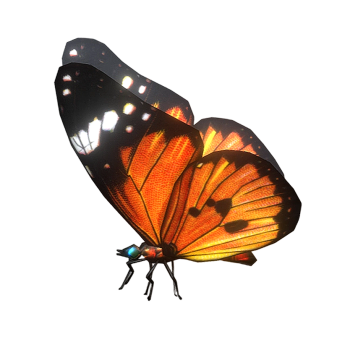
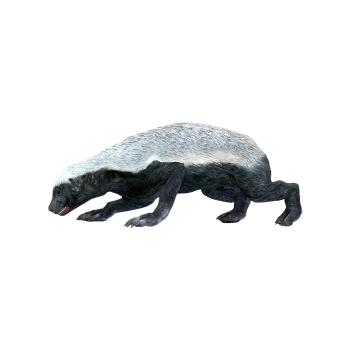
Honey Badger (3D animated model)
194 View
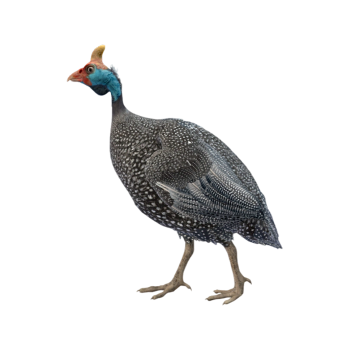
Guinea fowl (3D animated model)
165 View
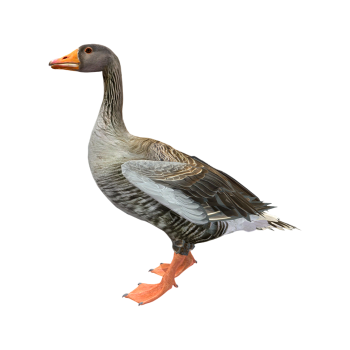
Wild Goose (3D animated model)
187 View
Red Fox (3D animated model)
155 View
Random Model
Single sofa
747 View

Wooden garden bench
475 View
Nodular Dragon (3D animated model)
146 View

DJI Avata2 UAV
541 View


Parry Albert's bust sculpture
492 View

Outdoor fire (bonfire)
580 View

Hydroponic Bamboo Tortoise
548 View

News Studio
411 View